


Three grapes saved from extinction
 Huon Hooke in Three of a Kind
 Become a member to view this article
The Real Review is editorially independent. We don’t sell wine. We are free of influence from vested interests such as wine producers and sellers, and proprietors with conflicts. We tell you what we think about reviewed wines, served straight up. Our articles cover topics our writers choose because of genuine interest.
We rely on our members to publish The Real Review. Membership provides access to thousands of articles, a growing database of more than 160,000 wine tasting notes, exclusive member discounts and more.
The widespread popularity of wine today, fuelled by general global prosperity, has inspired the rediscovery of many once-neglected grape varieties. Here are three that have impressed me lately. All were at one time on the brink of extinction.
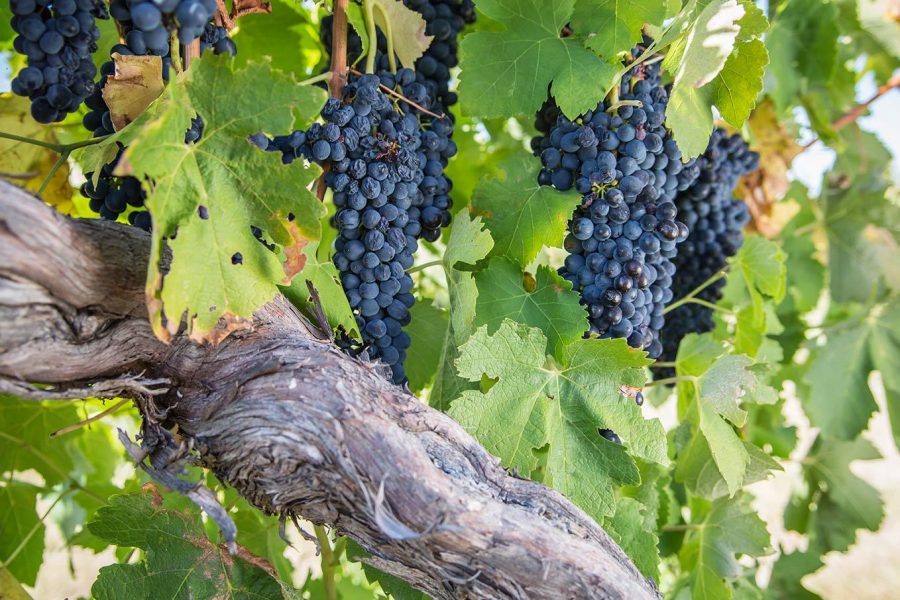
Carménère grapes Heathcote Wine Region
Carménère
Carménère is an old variety from the Gironde region in south-west France, where it was once among the red Bordeaux blending varieties, and widely planted. It’s seldom seen there today. After the phylloxera invasion of the 1870s it was not replanted, the reason being its poor fruit-set and unreliable yields. As Robinson, Harding and Vouillamoz (Wine Grapes, 2012, Harper Collins) report, France had just 21 hectares in 2008.
The best wine I’ve tasted recently incorporating carménère is the Ventisquero Vertice 2013.It was exported to Chile where for a long time it was confused with merlot, but since its identity has been clearly established its popularity has strengthened. Chile recorded zero carménère in 1996 (before it was differentiated from merlot) to more than 7,000 hectares in 2006. In the last 20 years, Chile has made carménère its signature grape.
The Luis Felipe Edwards Carmenère 2018 from Valle Central in Chile, with its bright purple-red hue and attractive bouquet of fresh tobacco and sweet mulberry, it has a definite Chilean identity. Intense and medium-bodied, it has slightly grainy tannins but basically good structure. The finish is long, firm and dry, without any of the green tannin astringency that is a risk in carménère. A great introduction to the variety. (AUD $7 from Aldi stores)
The best wine I’ve tasted recently incorporating carménère is the Ventisquero Vertice 2013 – an outstanding carménère shiraz blend made with the help of Australia’s John Duval as consultant.
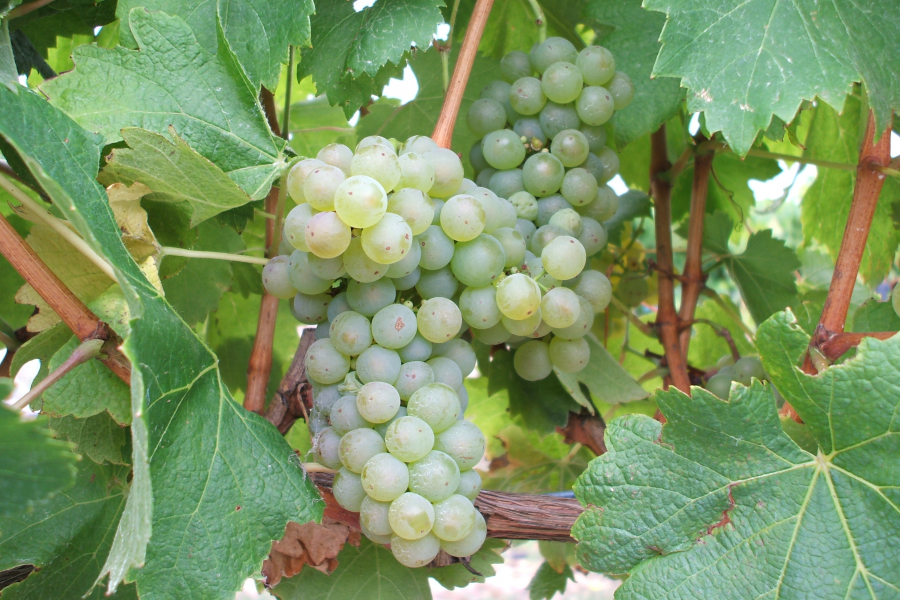
Arneis grapes Department of Agriculture and Food, Western Australia
Arneis
Piedmont is infinitely more famous for red wines than white, and arneis had virtually disappeared by the early 1970s, according to Wine Grapes. Only Vietti and Bruno Giacosa were still bottling it. It was saved by the general revival in Piedmontese white wines that began in the 1980s, and there were 745 hectares in the 2000 census. The best wines are labelled Roero Arneis DOC.
The wine is generally unwooded, medium to full-bodied, subtly pear-scented and sometimes low in acidity – so is best drunk early.
The Bird in Hand Adelaide Hills Arneis has excelled in recent vintages, and the 2017 won a silver medal at the Decanter World Wine Awards in 2018.
It’s palish yellow colour, with an intense herb, citrus and estery bouquet and a fruity, soft, seamlessly-textured palate, with lots of flavour but also restraint and finesse. It’s tremendously juicy and seductive, with more fruit, flavour and charm than most arneis. (AUD $32)
See also:
- Australia: Holm Oak, Tertini, Pizzini, Dal Zotto, Port Phillip Estate, Rowlee.
- Italy: Vietti, Cordero de Montezemolo, Bruno Giacosa, Ceretto.
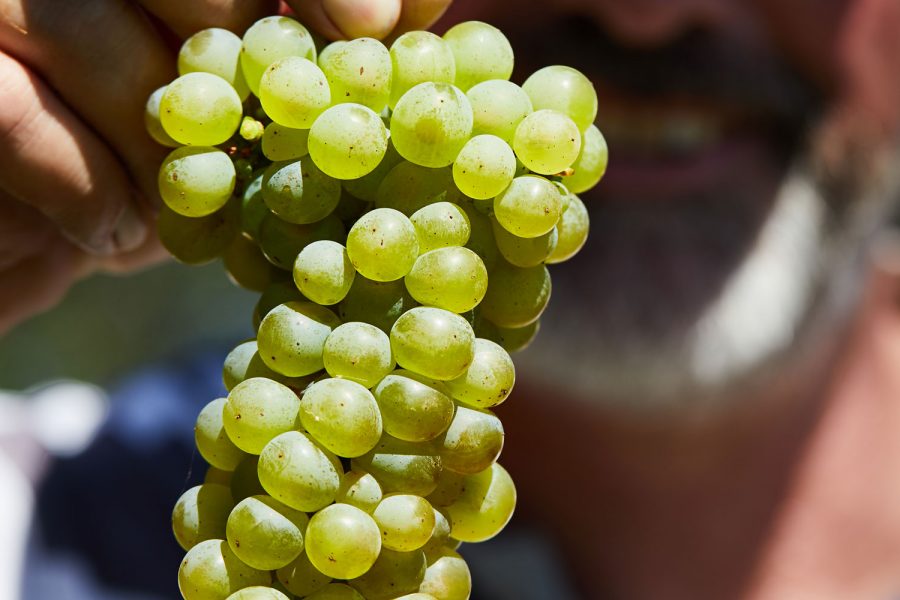
Viognier grapes Clonakilla Wines. Photographer: David Reist
Viognier
As Wine Grapes reports, viognier was ‘almost on the point of extinction’ in the late 1960s, because there were only 14 hectares in the world – all of them in France. It was in decline because of low yields and susceptibility to poor fruit-set. Now it’s grown in virtually every region around the world, including 4,395 hectares in France (2009 figures). The outside world discovered its distinctive characteristics – apricot, honeysuckle, May blossom, gingerbread – which became known and appreciated from the south of France to the USA and Australia.
The By Farr Viognier 2018 from Geelong shows aromas of apricot, mixed spices and chamomile, with the merest suggestion of honey starting to emerge. It’s barrel-fermented but oak is invisible. Delicate, restrained and lighter than usual for this grape, with refreshing acidity. A lovely, restrained style of viognier. (AUD $74)
Also see Clonakilla, Yarra Yering and Yalumba.
Durif in Australia would have disappeared if it wasn’t for the belief in the variety by Mick Morris and Keith Gayfer at Chiltern
Ah memories! I clearly remember visiting Keith at Gayfers winery in the late ’70s. Thumping purple vintage ports were a specialty.
Durif in Australia would have dissapeared if it wasn’t for the belief in the variety by Mick Morris and Keith Gayfer at Chiltern.