


What to eat with sauvignon blanc and semillon
 Melissa Moore in Food and Wine
 Become a member to view this article
The Real Review is editorially independent. We don’t sell wine. We are free of influence from vested interests such as wine producers and sellers, and proprietors with conflicts. We tell you what we think about reviewed wines, served straight up. Our articles cover topics our writers choose because of genuine interest.
We rely on our members to publish The Real Review. Membership provides access to thousands of articles, a growing database of more than 160,000 wine tasting notes, exclusive member discounts and more.
Understanding the style and where it’s from opens up an entire world of flavour. Wikimedia Commons
.jpg)
Guide to Sauvignon Blanc & Semillon Feature Week
Fancy a glass of fresh lime zest, just-mown grass, or a hint of cat pee on a gooseberry bush? Or perhaps a mouthful of lanolin, a sip of buttered toast, or a few wet stones in your mouth for good measure?
Put like this, you most likely wouldn’t fancy any of them in the slightest, yet these are all classic aromas you might find in some of the finest and most popular wines made from sauvignon blanc and semillon. Alongside more inviting notes of passionfruit, grapefruit, pear, and white blossom, these wines are intensely aromatic, fresh and crisp, often steely and flinty. Beloved by wine fanciers everywhere, you might think such overtly expressive varieties would be difficult to match with food.
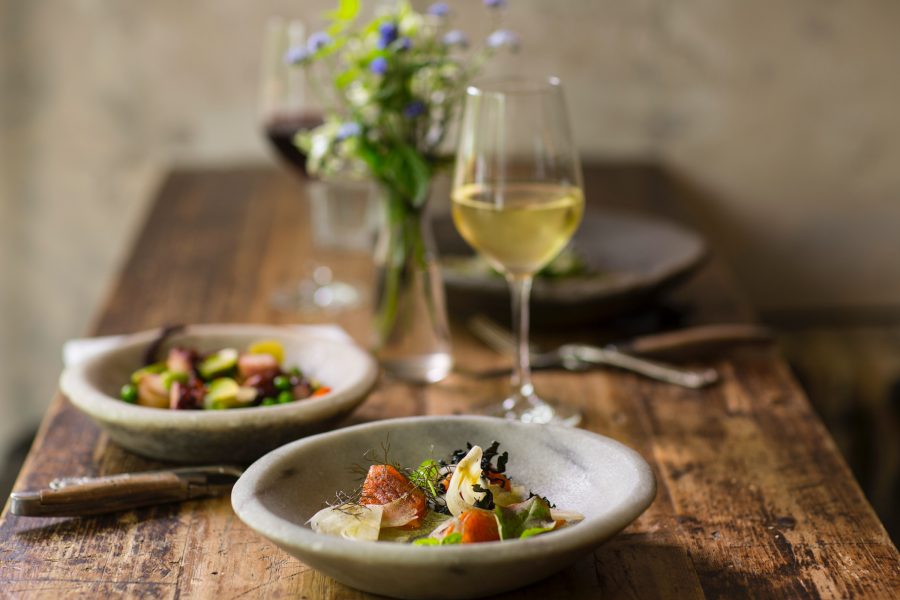
Marlborough sauvignon blanc is ideal with raw seafood such as fish crudo or tuna tataki.And yet, despite their sometimes challenging descriptors, sauvignon blanc and semillon are remarkably versatile at the table.
Sauvignon blanc
New Zealand’s Marlborough sauvignon blancs are instantly recognisable for their exuberant aromatics: passionfruit, lime, green capsicum, and that infamous hint of cat pee. Their piercing acidity and vibrant fruit make them ideal with raw seafood such as fish crudo or tuna tataki, and those with a slight hit of residual sugar make them particularly perfect with Vietnamese or Thai chilli-spiked and herb-laden dishes of fresh noodle salads or Mexican ceviche.
In Australia, Adelaide Hills sauvignon blancs are celebrated for poise and lifted citrus notes, excellent with lightly grilled yabbies, a Sriracha-laced fish cocktail taco, or a contemporarily retro prawn cocktail complete with crunchy iceberg lettuce. Orange in NSW produces intensely aromatic sauvignon blancs with flinty undertones and crisp acidity which work superbly with sashimi-style fish and deliciously crispy chilli salt squid.
In France, the Loire Valley’s Sancerre and Pouilly-Fumé are elegant, mineral-driven wines, showing flint, citrus and subtle floral notes. These pair beautifully with goat’s cheese—Chabichou du Poitou is a favourite, or a warm grilled Crottin de Chavignol salad—or with freshly shucked oysters highlighting the clean, saline flavours (avoid the mignonette dressing, though: far too much acidity!) and spring salads of pea shoots and broad beans.
Skin-contact sauvignons—where the juice ferments with the grape skins—add aromatic exoticism, colour, texture and tannins, making them exceptional with spices: pumpkin curry or shawarma chicken, umami foods like miso-glazed eggplant and salty cheeses such as Reggiano, where the wine’s aromatic and textural complexities can truly shine.
Semillon
Hunter Valley semillon is a unique expression of the variety, often strikingly austere in youth, with lime, green apple and lanolin aromas, making it a precise match for seared scallops, tempura prawns, Sydney rock oysters (again—what doesn’t go with oysters?), or seared tuna. With age, it develops honeyed, waxy and nutty complexity, and will pair confidently with richer seafood—go crazy on the lobster mornay!—or creamy fish pie, or even roasted chicken with a sauce made with a splash of the wine.
Barossa semillon, on the other hand, offers a contrasting style: more textural, fruit-driven and citrus-led while retaining bright acidity, making it approachable in youth but still capable of developing honeyed richness with time. These wines are wonderful with BBQ prawns, lobster rolls, steamed prawn dumplings at yum cha, and caramelised aburi salmon nigiri.
Sauvignon blanc & semillon blends
Blends bring together sauvignon blanc’s lift and freshness with semillon’s weight and texture. Margaret River is Australia’s benchmark, producing vibrant, citrus-lifted blends that pair beautifully with local ocean bounty: mussels marinière, oysters, naturally, prawns on the skewer, or lightly spiced seafood dishes. With age, these wines gain honeyed, nutty and toasty notes, elevating wok-tossed crab, grilled whole baby barramundi or spice-dusted charcoal chook.
The Yarra Valley also produces some of Australia’s most refined white blends, combining purity, finesse and length. These wines—especially with a few years’ bottle age—can stand up to richer flavours, like the anchovy and garlic combo of bagna cauda with crudité vegetables, or fancy grilled lobster, whole fish baked en papillote. A salad Niçoise with grilled tuna, boiled potatoes and green beans would be a treat too.
In Bordeaux, semillon is almost always blended with sauvignon blanc (and often a touch of muscadelle). The dry whites of Pessac-Léognan are weighty yet lifted, perfect with a fillet of grilled snapper or pan-fried dory and buttery baby potatoes—think elegance on a plate without being stuffy.
Most sauvignon blancs—and most semillons, including those from Hunter Valley—see little or no oak, which makes them ideal partners for dishes with chilli, where acidity and fruitiness soothe the palate instead of clashing with spicy heat. Oak-influenced wines, like fumé-style sauvignon blancs, develop richer texture, gentle roundness, and notes of vanilla, tropical or ripe stone fruits, allowing them to handle more complex, gently spiced dishes such as Moroccan tagines or seafood claypots—just go easy on the chilli!
Whether enjoyed as a single varietal or a blend, sauvignon blanc and semillon demonstrate that what might sound odd on paper translates into wines of grace, energy and remarkable adaptability.Sweet wines
The lusciously sweet wines of Sauternes are famously influenced by the humid mornings that create botrytis ‘noble rot’, a mould that shrivels grapes and concentrates sugar and flavour to produce richly sweet, golden wines. These have honeyed, apricot-like notes with a bright line of acidity. Australia’s famous takes on this style have the same playful, indulgent feel as Sauternes but with a sunnier twist. Traditionally paired with foie gras—let’s be honest though, most of us aren’t eating foie gras every day—more realistic companions might be apple tart tatin, poached pear with crème anglaise, or baked quince, letting the wine’s marmalade richness sing. Or, for an affordable foie gras substitute, chicken or duck liver pâté.
A world of flavour
Whether enjoyed as a single varietal or a blend, sauvignon blanc and semillon demonstrate that what might sound odd on paper—cat pee, wet stones, lanolin—translates into wines of grace, energy and remarkable adaptability. They’re wines that reward curiosity, inviting you to venture beyond the expected: from bright, razor-sharp styles that bring seafood to life, to textured, savoury examples that play beautifully with spice, and luscious sweet wines that can turn dessert into theatre.
Understanding the style and where it’s from opens up an entire world of flavour, one that encourages a sense of adventure, with playfulness and excitement in every glass. Go on, try!