Taking stock of the super-premium cabernet market
For many international drinkers, New Zealand is not the first place they think of when considering top quality cabernet sauvignon, merlot and blends of these Bordeaux varieties.




For many international drinkers, New Zealand is not the first place they think of when considering top quality cabernet sauvignon, merlot and blends of these Bordeaux varieties.

Those who have a history of buying pinot noir will probably think that ‘finding value in pinot noir’ is an oxymoron.

The Abel clone—variously called the Gumboot clone or the Ata Rangi clone—is the subject of arguably New Zealand’s best wine legend.

Judging of the 2025 Decanter World Wine Awards has just finished in London. As a regional chair for Australia, it’s part of my job to give gentle guidance where it’s needed.

Blended white wines are not unfamiliar to most drinkers. After all, white Bordeaux is a classic blended white, as are the majority of Rhône whites, Soave and white Rioja.
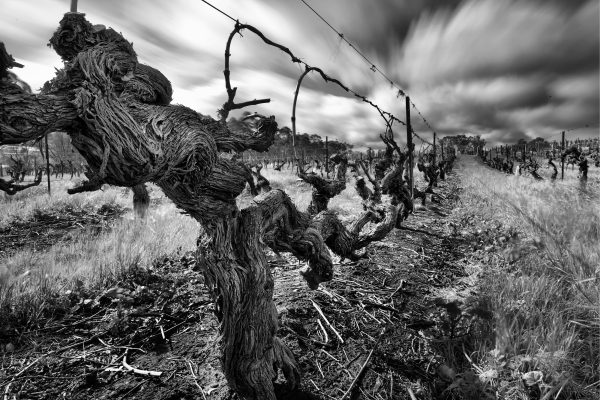
Last year I was honoured to be invited to the Swan Valley to launch their Old Vine Charter, which took its lead from the Barossa Old Vine Charter, which was launched in 2009.
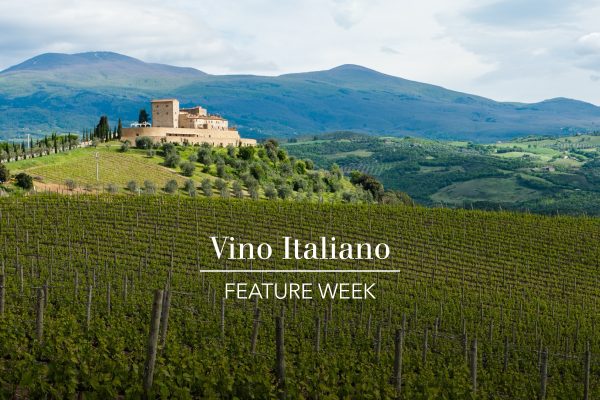
Many Italian words have become part of the international wine vocabulary, on account of their common usage, closely allied with the global popularity of Italian wines.
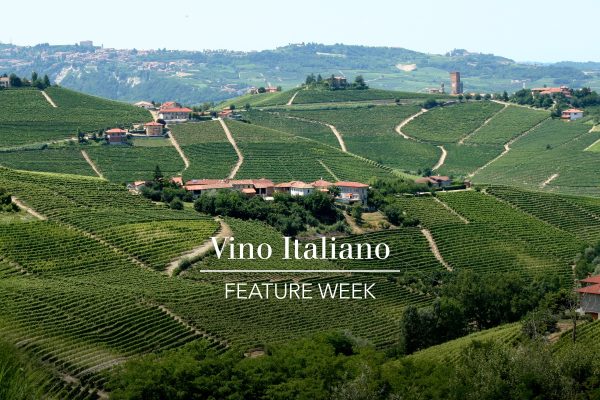
Italian wine is almost literally as old as the hills: grapevines and winemaking were introduced to Sicily by the Greeks around 4,000 years ago.

New Zealand is an unusual economy in a global sense, being one of the few ‘developed economies’ which are primarily agricultural or forestry.

Huon Hooke recently served some old Madeiras—70 year-old Madeiras in fact, from the 1954 vintage—and prior to serving them, did some research into the decanting protocols for old Madeiras.