


The Chardonnay Masterclass at Bibo
 Aaron Brasher in Wine Events
 Become a member to view this article
The Real Review is editorially independent. We don’t sell wine. We are free of influence from vested interests such as wine producers and sellers, and proprietors with conflicts. We tell you what we think about reviewed wines, served straight up. Our articles cover topics our writers choose because of genuine interest.
We rely on our members to publish The Real Review. Membership provides access to thousands of articles, a growing database of more than 160,000 wine tasting notes, exclusive member discounts and more.
-
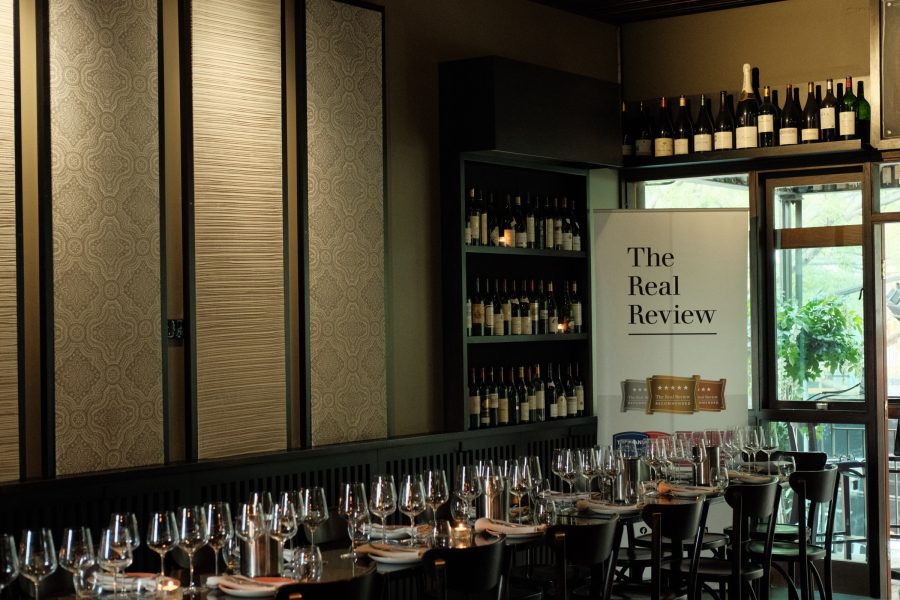
- Dinning room is ready for The Real Review’s chardonnay masterclass at Bibo. The Real Review
-
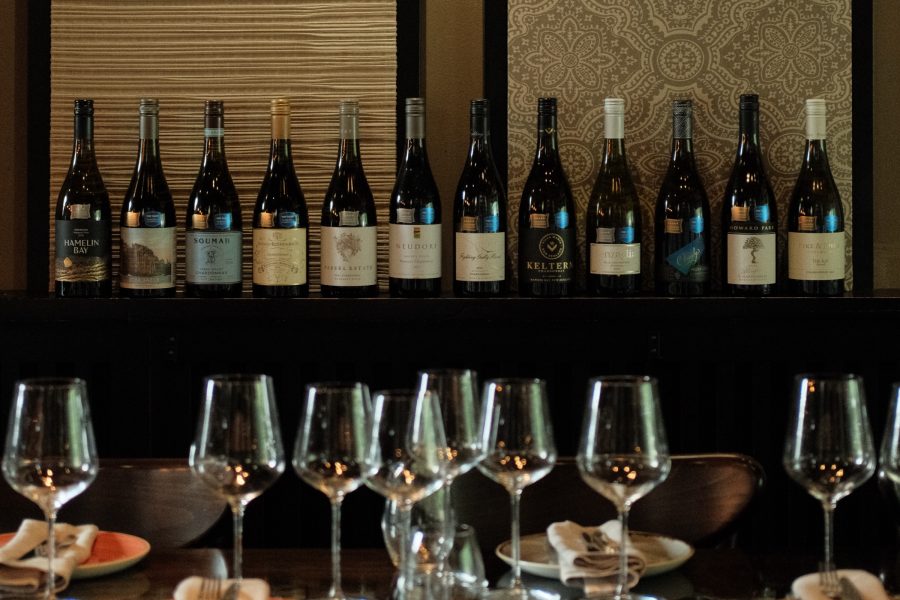
- The wine lineup for the evening. The Real Review
-
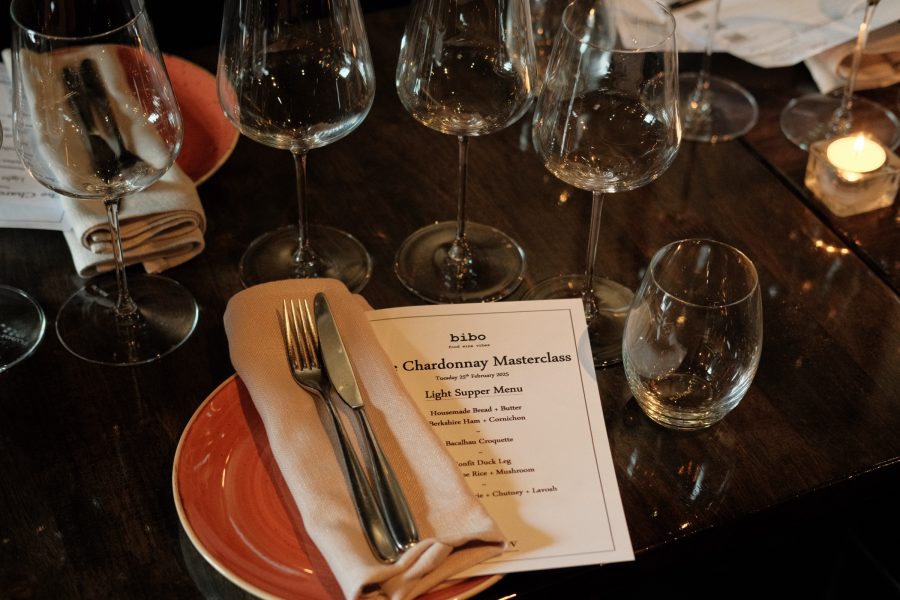
- Places set for the chardonnay masterclass. The Real Review
-
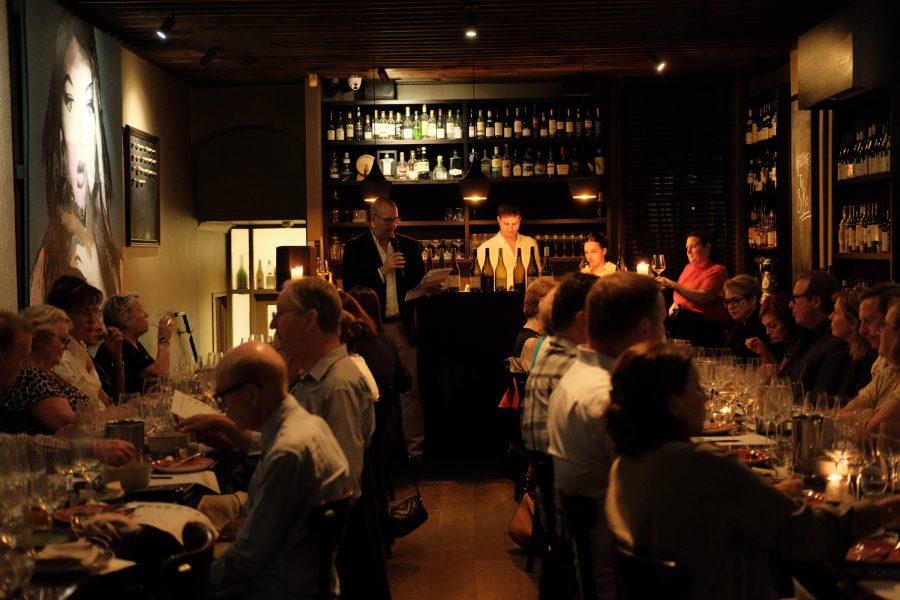
- A full room as the evening kicks off. The Real Review
-
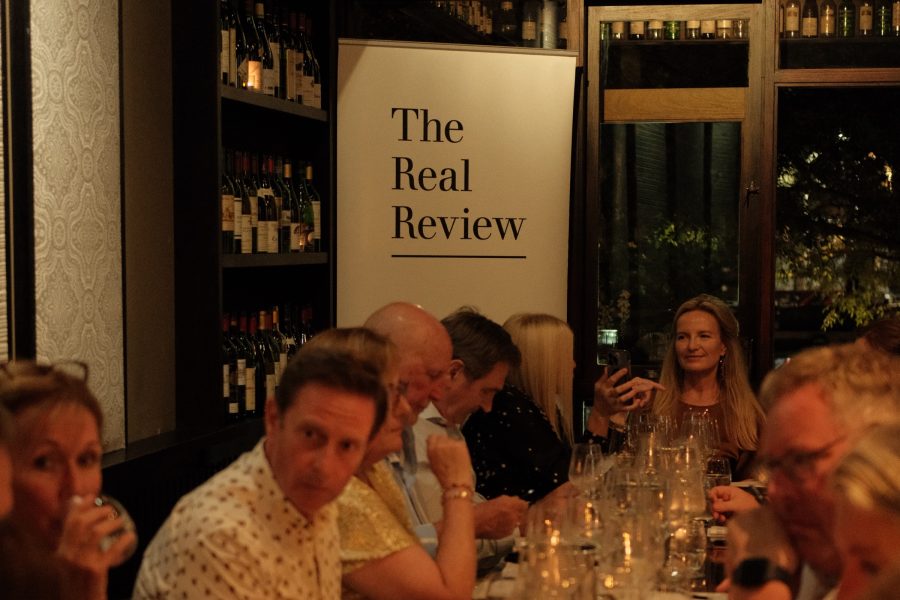
- Plenty of conversation around the table at the chardonnay masterclass. The Real Review
-
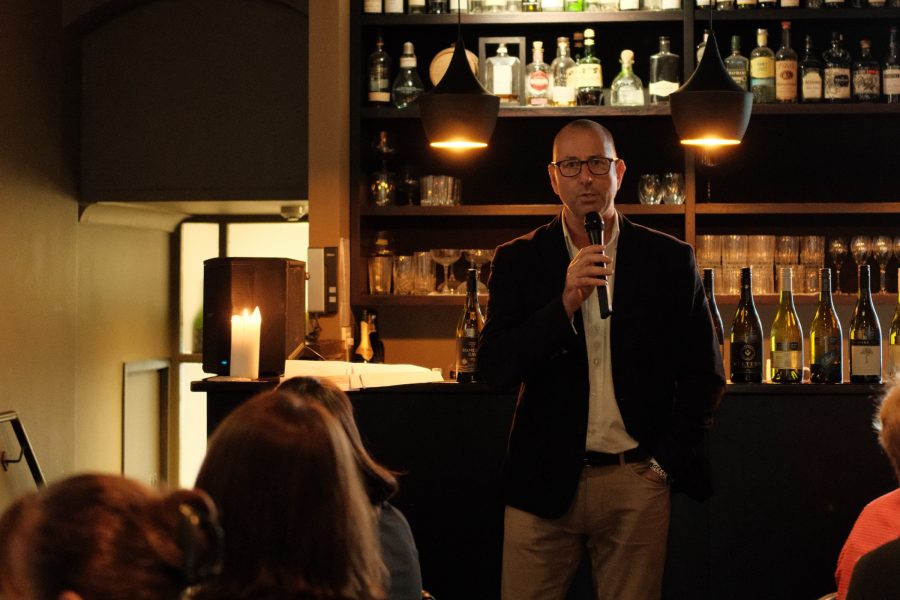
- Aaron Brasher guides guests through the chardonnays. The Real Review
It was a full house at Bibo wine bar in Double Bay on February 25 for this delve into all things fabulous about the second-most planted white variety in the world (Spanish grape airén is number one, thanks for asking…) This chardonnay masterclass was a demonstration in how good Australia and New Zealand chardonnay really is.
Chardonnay has undergone significant development in style in both countries over the last couple of decades.Chardonnay is the most planted white variety in Australia and second overall to shiraz. In the ‘Land of the long white cloud’, it plays a distant second fiddle to sauvignon blanc.
Chardonnay has undergone significant development in style in both countries over the last couple of decades and it can be safely said that the quality of chardonnay on display out of both countries has never been better.
The first bracket was a great kick-off and set the quality tone for the evening. Hamelin Bay Reserve Selection Chardonnay 2023 was first up. Sourced from Karridale in the southern part of Margaret River, it showed its cool, southerly origins: light, bright and refined, with dashing acidity and a nice little lick of phenolics.
Stargazer Chardonnay 2023 was next, sourced from vineyards in the Coal River Valley (60%) and the Derwent Valley (40%) in Tasmania’s south. This displayed layers of complexity and had fabulous mouth-feel, texture, and surprisingly, considering the pithy, punchy acidity, it had undergone 100% malolactic fermentation. A wine of great poise and precision.
Rounding out the bracket was Soumah Single Vineyard Hexham Chardonnay 2023. An archetypal Yarra Valley chardonnay, fine and focused, with a touch of struck match and leesy lift adding to the complexity levels.
The next bracket contained two Margaret River chardonnays and a fabulous example from the Moutere Valley in Nelson, across the ditch at the top of the South Island.
Swings & Roundabouts Backyard Stories Chardonnay 2023 was full of pithy grapefruit, green melon and mineral acidity, while the Passel Estate Chardonnay 2022 was a little creamier, rounder and had a lovely suppleness to it. The third wine of the bracket was Neudorf Rosie’s Block Moutere Chardonnay 2023, and it displayed quite nutty and creamy mouth-feel, but with a decent amount of zippy acidity and phenolics that delivered texture and grip.
-
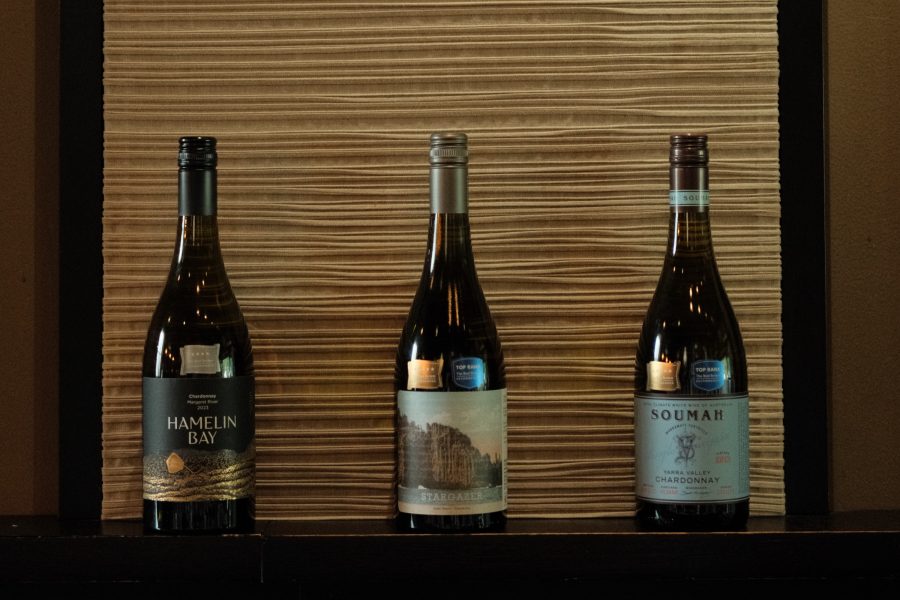
- Chardonnay bracket number one. The Real Review
-
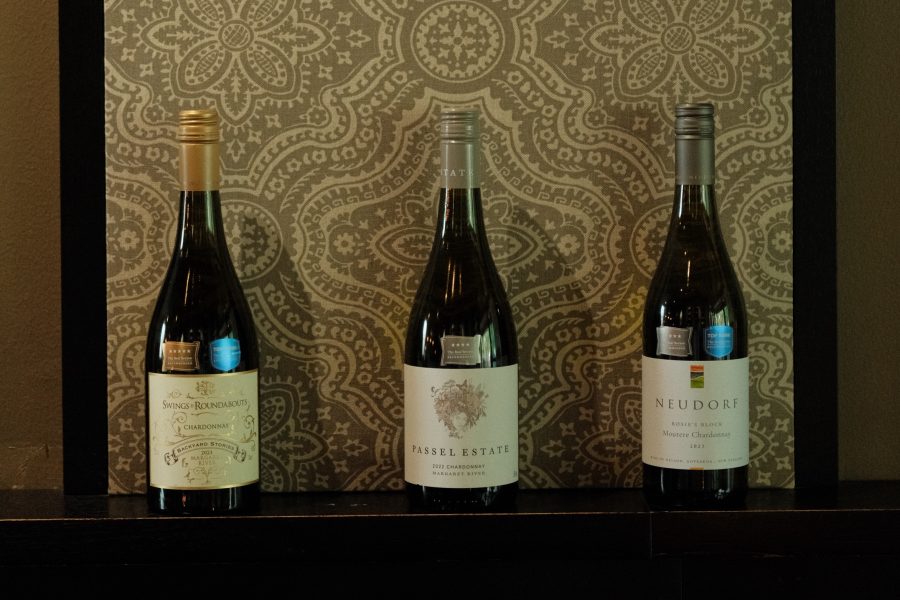
- Bracket number two. The Real Review
-
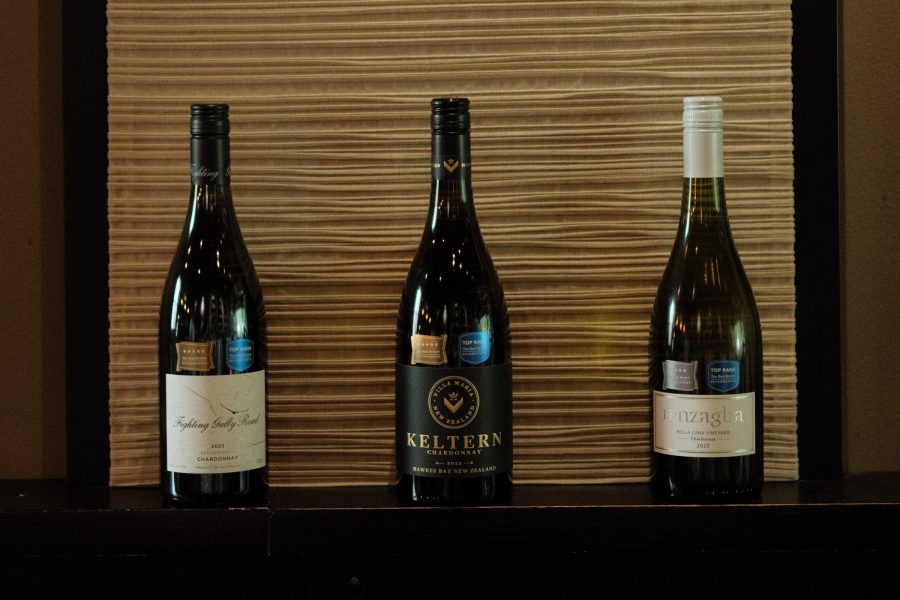
- Chardonnay bracket three. The Real Review
-
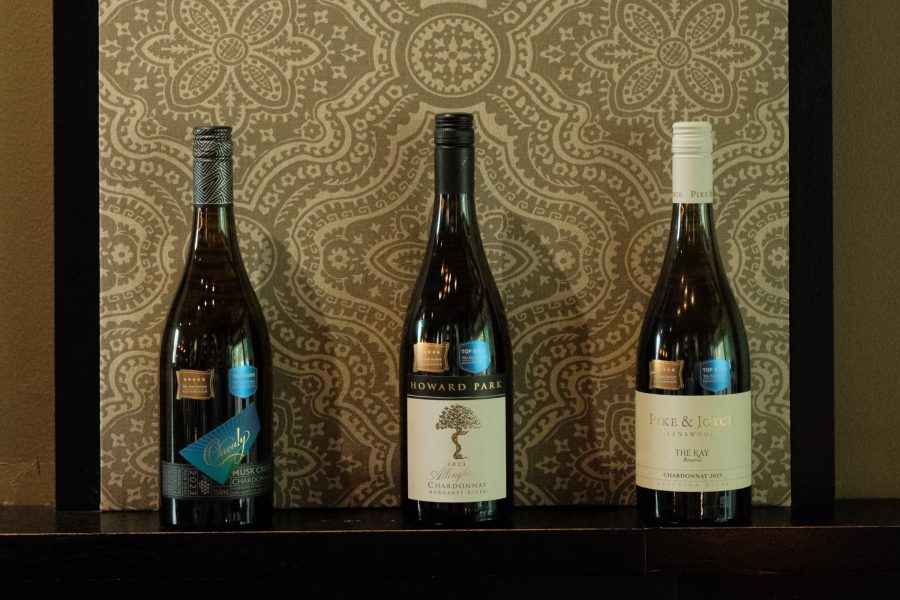
- The final three chardonnays. The Real Review
A croquette of salt cod, all salty and savoury, worked a treat with this line-up.
Bracket three took us first up to Beechworth in north-eastern Victoria. Fighting Gully Road Chardonnay 2023 is sourced from a near 50-year-old vineyard. Winemaker/owner Mark Walpole released his first vintage from this high-altitude site in 2010. It’s a wine of power and precision, with a seamless flow of oak and impressive length.
We were back in New Zealand for the next wine, Villa Maria Single Vineyard Keltern Chardonnay 2022. The Keltern Vineyard was planted in 1999 in Hawke’s Bay and has been producing stand-out chardonnay for some time. A powerful style of wine, with oak playing a role, but still allowing for the plush fruit to be the star attraction.
Bracket three was rounded out by a little-known producer from the O’Connell Valley in the NSW Central Ranges, around 25km south-east of Bathurst—a vineyard owned and operated by the Renzaglia family. The Renzaglia Bella Luna Chardonnay 2023 showed plenty of nutty, nougat creaminess, pointing to its 90% malolactic fermentation.
A confit of duck leg with Portuguese rice and mushroom was a deliciously flavoursome and robust dish, but the three chardonnays handled the flavours admirably. This wine and food match proved that duck dishes aren’t just the domain of pinot noir.
The final bracket took us to the Mornington Peninsula, Margaret River and the Adelaide Hills, three regions which have been at the forefront of high-quality chardonnay in Australia.
Quealy Musk Creek Main Ridge Chardonnay 2023 is sourced from a one-acre block planted in the mid 1990s. It was a full flavoured and concentrated wine with plenty of mouth-feel and texture and showing its 100% malo credentials superbly. Howard Park Allingham Chardonnay 2023 was the penultimate wine, and it too displayed power and concentration, also with pithy, precise acidity and a lick of phenolic grip. It was sourced from the cooler Karridale sub-region of Margaret River, a 35 year-old vineyard which consistently produces benchmark Margaret River chardonnay.
This was a showcase of a point in time for chardonnay in the Antipodes.The final wine of the night was Pike and Joyce The Kay Reserve Chardonnay 2023. Grown in the sub-region of Lenswood in the Adelaide Hills, this had lashings of just-ripe white stone-fruit all seamlessly wrapped up in some lovely, nutty oak. A small component of malolactic fermentation added texture and creaminess, supported by saline, pithy acidity.
A triple cream Brie was matched to these three wines, with the weight and pointed acidity of all three working well with the ripe and opulent cheese.
This was a showcase of a point in time for chardonnay in the Antipodes, and from the selection of wines on show, we conclude that chardonnay is in a very good place and will continue to evolve to greater heights.