‘Land and Wine: The French Terroir’ by Charles Frankel
I really wanted to like this book. And I did enjoy much of it. But…



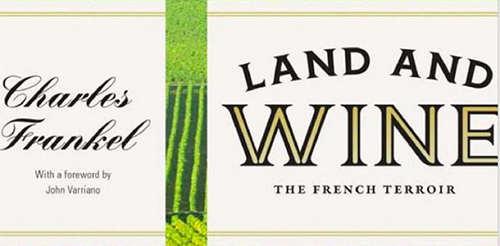
I really wanted to like this book. And I did enjoy much of it. But…
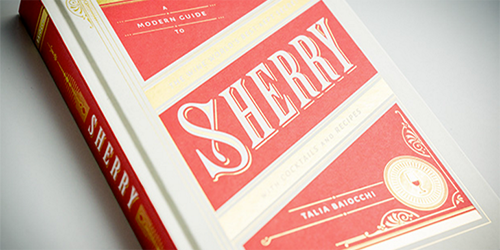
Sherry – Spanish Sherry, that is – has a legion of loyal followers but has been out of fashion for quite a few years. So have all fortified wines. But there is something of a revival going on in wine-bars and savvy restaurants. In New York, the resurgence was kicked off by the sommeliers and the mixologists, aka bartenders.
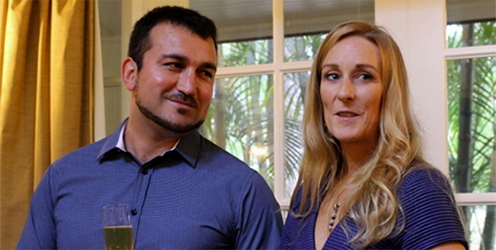
It’s amazing but true. Go to any social gathering, party, celebration in Australia at which fizzy wine is served and you’ll hear people talking about ‘champagne’, even if there is no real Champagne on the go.
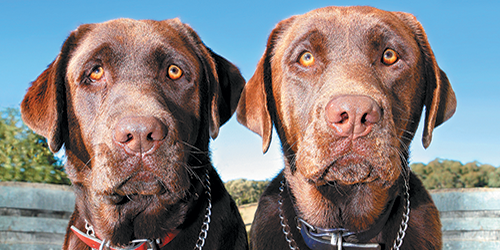
Good news for all wine-loving dog-fanciers: the latest edition of Wine Dogs Australia (Volume 4) is out. This one contains pictures and profiles of pan-lickers at 150 wineries across the country, plus short essays by a veritable roll-call of Aussie wine scribes, including Nick Ryan whose yarn about Winston the border collie wins the gold medal.

Books, remember them? Those bundles of thin paper sheets with pretty covers front and back? Well, they’re still making them, for dinosaurs like me. I’ve sighted more new wine books than usual this year, which suggests there’s still a healthy market for them.
Tyson Stelzer’s ‘The Champagne Guide 2014-2015” (Hardie Grant hardback; $39.95) doesn’t dwell too much on the history or romance – that’s well covered in many books, from Patrick Forbes to Francois Bonal to Richard Juhlin and others. And there have been guides before, notably by Tom Stevenson. But Stelzer’s book broaches a number of subjects that others found too touchy to handle, such as grape yields (too high, and rising), the vineyard classification (‘antiquated’), parallel importing, and most contentiously, presentation problems such as cork taint, oxidation, light strike, staleness and generally irritating variability. Stelzer lets the reader into all the secrets of Champagne; the thorny issues that producers would prefer consumers weren’t aware of.
It was a dinner involving many great old European wines, held at Len Evans’s Bulletin Place restaurant in honour of the famous head of Christie’s Auctions wine department, Michael Broadbent, and including then prime minister Malcolm Fraser. Sommelier and noted eccentric Anders Ousback was acting as butler. “As he decanted the 1727 Rudesheimer Apostelwein (a very rare German riesling), there was an expectant hush around the room. The hush deepened to silence after a fearful crash in his corner. Everyone stared agonisingly at Anders. He looked up, paused, and then said, ‘I say, shall I decant the 1728?’ Anders, maladroit as ever, had dropped an empty bottle to the floor but couldn’t resist taking advantage of the moment.”
It might have been a wet and dodgy year for wine, but it’s been a good year for wine books. The most compelling new book is undoubtedly “Authentic Wine…Toward Natural and Sustainable Winemaking”, by Jamie Goode and Sam Harrop MW ($39.95; University of California Press).
Jonathan Nossiter is a film-maker who first came to the attention of wine lovers when he released his epic hand-made documentary Mondovino about five years ago. Mondovino irritated many winemakers and merchants because of its blatant bias against big companies, modern wines, the New World, and ‘industrial’ or mass-produced wine. But others, like me, enjoyed its colorful, thoughtful, occasionally whimsical, opinionated but above-all heartfelt look at wine. And its highlighting of some great wine producers. By all accounts Mondovino was a massive box-office failure, but it sure got people talking.