


Wairarapa’s recent vintages
 Stephen Wong MW in Free for all
 Become a member to view this article
The Real Review is editorially independent. We don’t sell wine. We are free of influence from vested interests such as wine producers and sellers, and proprietors with conflicts. We tell you what we think about reviewed wines, served straight up. Our articles cover topics our writers choose because of genuine interest.
We rely on our members to publish The Real Review. Membership provides access to thousands of articles, a growing database of more than 160,000 wine tasting notes, exclusive member discounts and more.
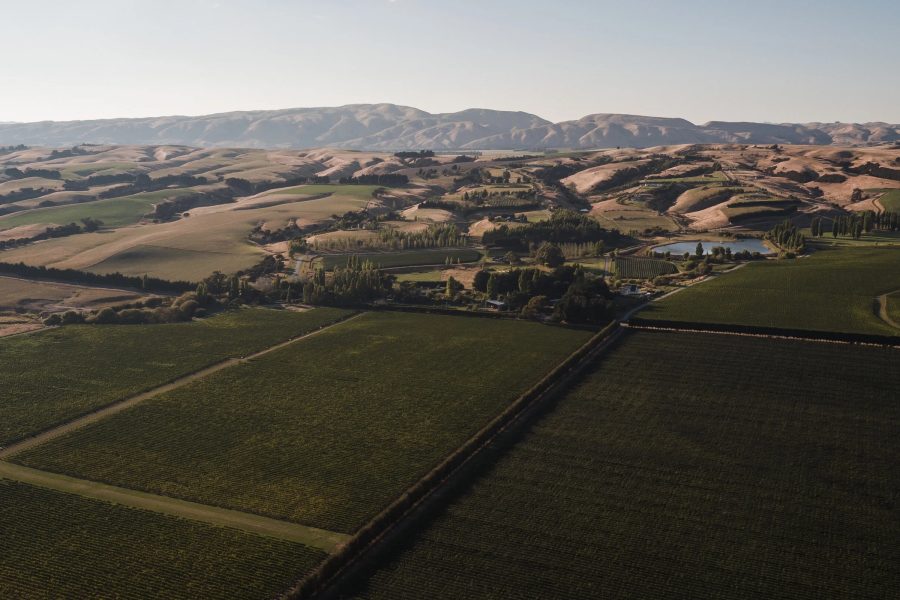
Aerial view of vineyards in the Wairarapa wine region. Wairarapa Wine Region
Over the past month, I have had the pleasure and privilege to ask several Wairarapa winemakers for their opinions on the recent vintages in the region.
Keep in mind the old adage that great producers can make good wine even in bad vintages and the opposite is also true.In the course of conversation, scattered details have emerged about the weather patterns and more importantly, how they affected the fruit and growing season. Collating this information and comparing it to the general trends in tasting notes on The Real Review, it has been possible to make some generalisations about the vintages which are currently in market and what to expect from them. Keep in mind the old adage that great producers can make good wine even in bad vintages and the opposite is also true.
2024
This is the current vintage for most producers and it is a very welcome season for almost the entire region. In the big scheme of things, it presents as a more neutral year with fewer extremes than have been seen in the past decade.
That said, the vintage was smaller in yield (2025 was more generous) and is characterised by the classic acid-retaining diurnal shift from cold nights to warmer temperatures during the day.
Some producers reported it being milder but noticeably dry. There is the thought that some of what happened in vineyards was due to the vines reacting and rebounding from the trials of the 2023 season. In pinot noir, there is a recurring theme in many of the better wines: a dense, almost plush, palate-coating purple fruit intensity, ripe and sleek tannins submerged under impressively concentrated fruit while also being elegant and flowing in the mouth.
There is a bit more weight and warmth in the northern Wairarapa wines than that found in Te Muna and Martinborough township, where the wines tend towards a bit more structure and detail.
2023
This was a La Niña vintage and was inevitably marked by the influence of Cyclone Gabrielle which clipped the region while sparing it the worst of its rains and floods.
That said, several producers, especially in Martinborough township and the land closer to the river in northern Wairarapa, reported that after the continual rain, the ground was unable to absorb more water and vines were visibly unhappy with wet feet. It was actually quite a warm vintage so ripeness was not out of the question, but it was also cloudy, humid and wet.
In Te Muna district, it was reported that grape skins were thicker than they expected and those who waited could pick some of the better fruit. On the whole, it seemed that vineyards in Te Muna were affected to a lesser extent than those ‘in town’. There are more mixed results further north depending on soils and drainage.
Several producers chose not to produce any of their top wines in 2023. What was made has more of a vintage character than is typical for the region. The best were able to harness the season’s precociousness, avoiding heavy extraction or firm structures, focusing instead on making wines which are more supple. They will not have the ageing potential of years like 2024, 2020 or 2019 but they have a delicacy and approachability which particularly suits pinot noir’s more ethereal side.
On the whole, most producers considered 2022 a better year than 2023, though a few wineries in Te Muna district found 2023 either as good, or slightly ahead of 2022 for them.2022
This was a La Niña vintage after a string of El Niño years ending with 2021. This time there is a bit of a reversal and Martinborough Terraces generally performed better than the vineyards up in Te Muna. The rains close to vintage slowed things down and made life more difficult to manage for many vineyards, especially in the warmer northern districts.
The vintage started well, delivering a healthy flowering, which was a relief after the small crops and poor fruit set of 2021. Several growers reported that vegetative growth was more vigorous this year, which coupled with higher humidity and thinner skins on the berries, meant that vigilance was required in the vineyard to guard against fungal diseases. Ripeness levels were moving along well until shortly before the projected harvest when wetter weather and more humidity came in.
The success of each producer was highly dependent on decisions they made in the vineyard during the season and there is more variability in quality across the region due to these differences. Some excellent wines were made despite the variable quality and the difference between top and bottom was greater than usual.
On the whole, most producers considered 2022 a better year than 2023, though a few wineries in Te Muna district found 2023 either as good, or slightly ahead of 2022 for them.