


Grange as an investment
 Huon Hooke in Opinions
 Become a member to view this article
The Real Review is editorially independent. We don’t sell wine. We are free of influence from vested interests such as wine producers and sellers, and proprietors with conflicts. We tell you what we think about reviewed wines, served straight up. Our articles cover topics our writers choose because of genuine interest.
We rely on our members to publish The Real Review. Membership provides access to thousands of articles, a growing database of more than 160,000 wine tasting notes, exclusive member discounts and more.
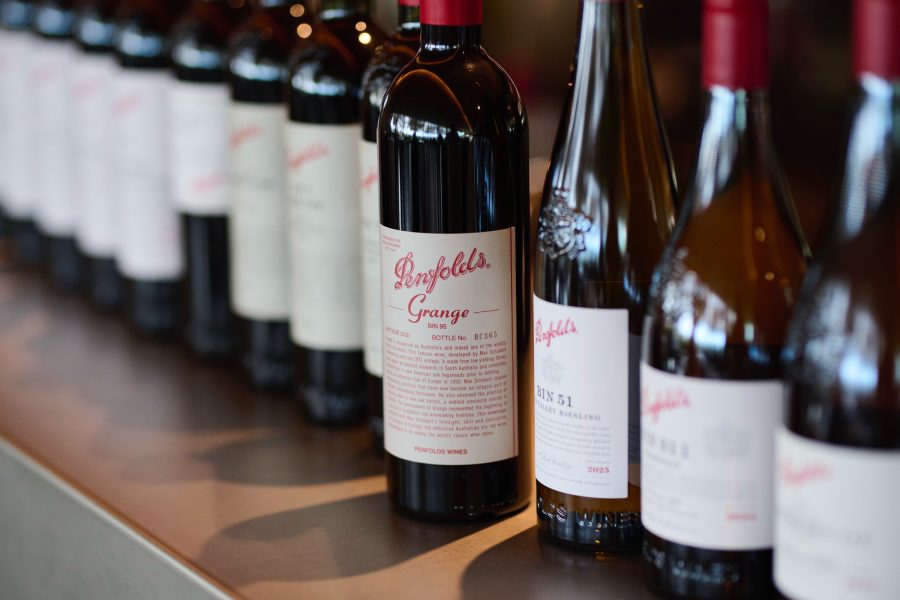
Most vintages of Grange either tread water or go backwards. Penfolds Wines
That old chestnut has been rolled out again—that you can make a big profit if you cellar Penfolds Grange for long enough, and basing this statement on the rarest Grange vintage, 1951.
These words appeared in a daily newspaper on July 24:
A check of auction price history shows that it’s really only the most highly regarded vintages that are worth speculating on.“If you don’t mind holding on to it for a couple of decades and then selling it, the return on investment could prove fruitful. The first Penfolds Grange vintage was 1951 and has been known to fetch more than $150,000 at auction. A full set of Penfolds Grange from the 1951 to 2018 vintages fetched a record $430,000 at the Penfolds Rewards of Patience Auction hosted by Langton’s in 2022.”
The first rule of investing is that there must be supply, and supply of the 1951 Grange is pretty close to zero. Hardly an investment prospect.
Sets of Grange are also exceedingly scarce.
What of more available Grange vintages of recent time?
A check of auction price history shows that it’s really only the most highly regarded vintages that are worth speculating on. Or the rarest. Most vintages either tread water or go backwards. This is especially true since Penfolds hiked the price of Grange over the first decade of this century. For most of us, AUD $1,000 for the latest vintage is an awful lot of money, and it’s hard to imagine spending more than that for an older recent vintage.
Greg Fitzsimmons, head of wine at Grays auctions, says he doesn’t see much point trading young Grange: it needs at least 10 to 15 years before you’d trade it. And he says a AUD $1,000 bottle of recent vintage Grange would be worth AUD $2,396.56 in 15 years at 6% compounded. How many people would pay that?
“Grange isn’t a guaranteed investment. It’s a collector’s wine, a drinker’s wine—but only sometimes a profitable one.”
At Langton’s annual Penfolds Rewards of Patience auction in June 2025, a large number of lots failed to sell.
There were sales of favoured vintages, such as 1971 (at AUD $1100), 1976 (at AUD $1350) and 1990 (AUD $623-$676), but large numbers of bottles were passed in. If the latest vintages of Grange are AUD $1,000, the 1971—one of the greatest ever Granges, still drinking in its prime—seems absurdly cheap at AUD $1,100.
“Grange isn’t a guaranteed investment. It’s a collector’s wine, a drinker’s wine—but only sometimes a profitable one.” – Greg FitzsimmonsMany top Australian reds have seen big—some would say unrealistic—price increases in the last decade or so, which often means older vintages can be purchased significantly cheaper at auction than the latest vintage. An auctioneer might find this a useful way to promote auctions. It makes the older wines doubly attractive to auction-goers: they’re both more mature (readier to drink) and more affordable.
Fitzsimmons says the market for Grange has softened: supply is up but demand is down.
“The great vintages of the 1970s and early ‘80s still have investment potential, but there’s been a flattening out of Grange prices, partly due to the Chinese not coming here and buying wine to take home.”
Caveat emptor!
I could not agree more. Cellar to drink seems a useful motto. I did buy 6 bottles of 1971 Grange at $9.95 when they were sold to get quick income in 1976. Each bottle was a joy with the last consumed in 2015. I could not imagine selling them given the pleasure they brought us. We have also discovered that bottles from the cellar are a wonderfully appreciated present that also helps prevent wines in the cellar from going over the hill! Win-win I believe.
Collecting wines as an investment in Australia is a fool’s business, especially with Australian wines. Yes, you can get lucky but only very few wines will enable you to make a profit. It relies on demand/supply, the hype curve and provenance! Provenance is critical and not many can demonstrate the provenance of the wines they are selling on auction sites. Yes, wine is an investment class but one needs a big market, big demand and rarity of supply. Heard of Armand Rousseau anyone? Even there, the Liv-ex100 has shown it has soften significantly in the last 18 months, Buy wines for enjoyment and if you can recover your costs when it comes to resell then you should be grateful!