


Anselmi and their PIWI grape varieties
 Huon Hooke in Winery Spotlights
 Become a member to view this article
The Real Review is editorially independent. We don’t sell wine. We are free of influence from vested interests such as wine producers and sellers, and proprietors with conflicts. We tell you what we think about reviewed wines, served straight up. Our articles cover topics our writers choose because of genuine interest.
We rely on our members to publish The Real Review. Membership provides access to thousands of articles, a growing database of more than 160,000 wine tasting notes, exclusive member discounts and more.
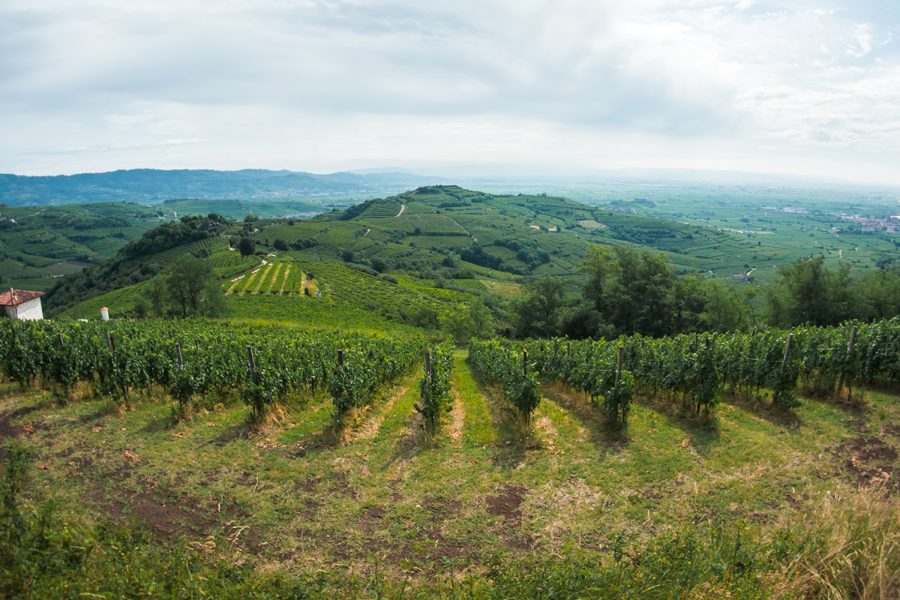
The Anselmi vineyards in Veneto. Anselmi Wines
If you haven’t heard about PIWI grape varieties (pronounced pee-vee) you surely will soon. They are currently making news in Europe.
The AI summary on Google reads:
Anselmi, a leading Veneto wine producer in the Soave region, has embraced the PIWI movement, incorporating some PIWI varieties in its current commercial releases.“PIWI grape varieties, short for the German “pilzwiderstandsfähige Rebsorten” (fungus-resistant grape varieties), are a group of grapevines bred for their resistance to common fungal diseases like mildew and botrytis. These varieties are typically interspecific hybrids, created by crossing Vitis vinifera (European wine grapevines) with other Vitis species known for their natural resistance. This resistance allows for a significant reduction in the use of pesticides and other treatments in vineyards, making them a more sustainable option.”
Although PIWI varieties are being widely talked about in Europe, they are yet to make an impact in Australia, perhaps because the climate change effects which are prompting their adoption in Europe haven’t affected Australia in the same way—yet.
Anselmi, a leading Veneto wine producer in the Soave region, has embraced the PIWI movement, incorporating some PIWI varieties in its current commercial releases.
Lisa Anselmi, daughter of proprietor Roberto Anselmi, toured Australia recently to promote the latest wines and to explain this new initiative.
“It’s more humid now in the Veneto,” Lisa told me, “and these varieties are more resistant to moulds and mildews. They also mean that we can spray the vines less often, which is a good thing.”
Anselmi has made a special 7-hectare planting of 40,000 PIWI vines, at a density of 6-7,000 vines per hectare. They are individually trained on steel stakes as bush vines, necessitating less intervention including less spraying, says Lisa. For a vivid drone’s-eye view of this vineyard, have a look at the Anselmi website.
The first wines to include wine from these vines are vintage 2023, two of which are newly released in Australia (importer: Single Vineyard Sellers).
The ‘entry-level’ wine, San Vincenzo 2023 (AUD $50), contains some PIWI varieties along with the customary garganega—the traditional premium grape of Soave—sauvignon blanc and chardonnay. The 2023 Capitel Foscarino (AUD $75) also includes PIWI varieties. It’s about 50% garganega, with some chardonnay.
PIWI varieties have been mainly bred in Germany, but also France. Anselmi are using three: sauvignier gris (a pink skinned grape that is said to have a complex aromatic character), muscaris (which is aromatic and has floral and citrus characters), and ‘resistant riesling’.
Says Lisa:
“For Anselmi, hybrid grapes are the key to a truly sustainable future for Italian viticulture: they allow us to make better wines while reducing the use of fungicides to zero—even in the face of climate change. Reducing treatments for fungal diseases means a significant drop in chemical products used in the vineyard.”
In a statement, Roberto Anselmi explains the rationale:
“Severe weather events in recent years have had a strong impact: today the rainfall is more concentrated and the storms increasingly intense. The resulting moisture in the vineyards causes the spread of fungal diseases such as peronospora and oidium. To combat their growing presence, the most used solution is to spray the vines with a number of fungicides never seen before.
“Reducing the need of treatments for fungal diseases will significantly decrease the amount of chemical products used in vineyards.
“We strongly believe that, with the worsening effects of climate change, hybrid grapes will play an increasingly important role in viticultural sustainability.”
Roberto Anselmi, a charismatic figure in the region, famously deserted the Soave appellation some years ago when he decided to delete the name Soave from his bottles because the standards required by the Soave appellation were not high enough.
“For Anselmi, hybrid grapes are the key to a truly sustainable future for Italian viticulture: they allow us to make better wines while reducing the use of fungicides to zero—even in the face of climate change.” – Lisa AnselmiHis famous dry white wines, Capital Foscarino, Capitel Croce and San Vincenzo, which were labelled Soave up till 1999, are now appellated simply Veneto Bianco.
There are just five wines, the three above plus a gorgeous sweet wine, I Capitelli, and a cabernet sauvignon named Realda. The production is 750,000 bottles a year of which San Vincenzo makes up 450,000. Roberto runs the company today with daughter Lisa in charge of marketing and public relations, and son Tommaso, as viticulturist.
It’s a tight, efficiently-run family business, making superb and innovative wines, at the cutting edge of the Veneto.