


Thoughts on wine matched menus
 Stephen Wong MW in Food and Wine
 Become a member to view this article
The Real Review is editorially independent. We don’t sell wine. We are free of influence from vested interests such as wine producers and sellers, and proprietors with conflicts. We tell you what we think about reviewed wines, served straight up. Our articles cover topics our writers choose because of genuine interest.
We rely on our members to publish The Real Review. Membership provides access to thousands of articles, a growing database of more than 160,000 wine tasting notes, exclusive member discounts and more.
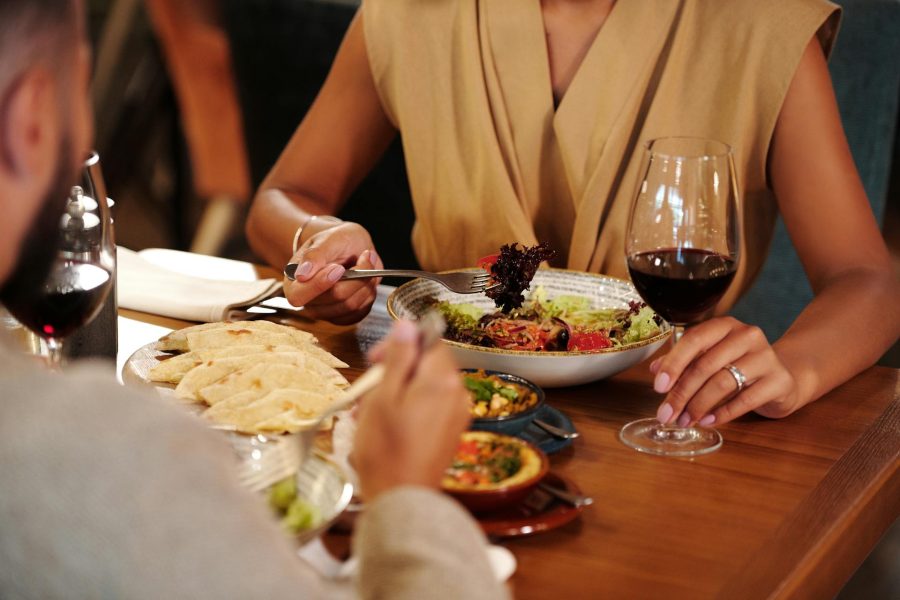
Wine matched menus makes an evening a lot easier for the guest as no decisions need to be made. Pexels
As someone who has worked in and around hospitality since my teens, I’ve seen trends come and go, practices evolve and prices rise inexorably over the past quarter century, but something that seems to still split diners (particularly along generational lines) is the practice of wine matched menus—hugely popular at the end of the previous millennium.
It continued to be a defining trait of many fine dining establishments until around the time of the global financial crisis before picking up again in the middle of the decade. COVID pretty much put an end to it but there are signs that it’s returning again.
The gulf between a serviceable match and a fantastic match is wide and often demands a dedicated sommelier or team to test, experiment and hone the right matches.I get asked to provide set matches for restaurant/hotel clients every now and then in New Zealand but that’s not a sign of global trends. An analysis of Scandinavian wine lists and restaurants in the Star Wine List awards (still arguably at the forefront of the European dining scene) shows that most restaurants have actually moved away from them. Some will offer to match the menu on any given night to wines, but these are not listed in the menu and are often created by the sommelier on a needs basis. Some establishments are clearly better suited to the practice than others, the most obvious example being that of the winery restaurant, like Amisfield or Terroir, where the restaurant aims to showcase the winery so tasting menus are roughly paired to different wines made on-site.
It makes an evening a lot easier for the guest as no decisions need to be made. It also makes life easier for the restaurant’s stockholding and purchasing as depletions are not only predictable, they are even across the board. However, as a practice which has been around for decades, it is also often quite stale and many offerings are either uninspiring or fail to deliver true elevated flavour combinations.
The gulf between a serviceable match and a fantastic match is wide and often demands a dedicated sommelier or team to test, experiment and hone the right matches. That tends to place this kind of program firmly in the domain of classical fine dining restaurants with high prices and, of course, set menus accompanied by comprehensive—or at least flexible—wine programs.
When I dine with groups of younger diners (excluding people who are specifically in the ‘somm trade’), I have found most people eschewing wine matched menus in favour of exploration of the wine list on the one hand, or picking wines individually and separately on the other. I also often see glasses of wine being passed around to try different wines out and a willingness to try something they haven’t heard of before.
I’ve started asking their views of wine matched menus, out of interest, and answers range across the board. Some profess to have baulked at the prices; others think they’re over-rated, citing poor experiences they’ve had in the past; some say that the wines on the matched menus are often boring or not the kind of wine they’d pick themselves; and some have interestingly replied that the matched menus contain too many servings of wine and too much alcohol for their personal drinking preference.
I find all of this fascinating and I would love to hear from you about your views and experiences.