


How to pair pinot noir with food
 Stuart Knox in Food and Wine
 Become a member to view this article
The Real Review is editorially independent. We don’t sell wine. We are free of influence from vested interests such as wine producers and sellers, and proprietors with conflicts. We tell you what we think about reviewed wines, served straight up. Our articles cover topics our writers choose because of genuine interest.
We rely on our members to publish The Real Review. Membership provides access to thousands of articles, a growing database of more than 160,000 wine tasting notes, exclusive member discounts and more.
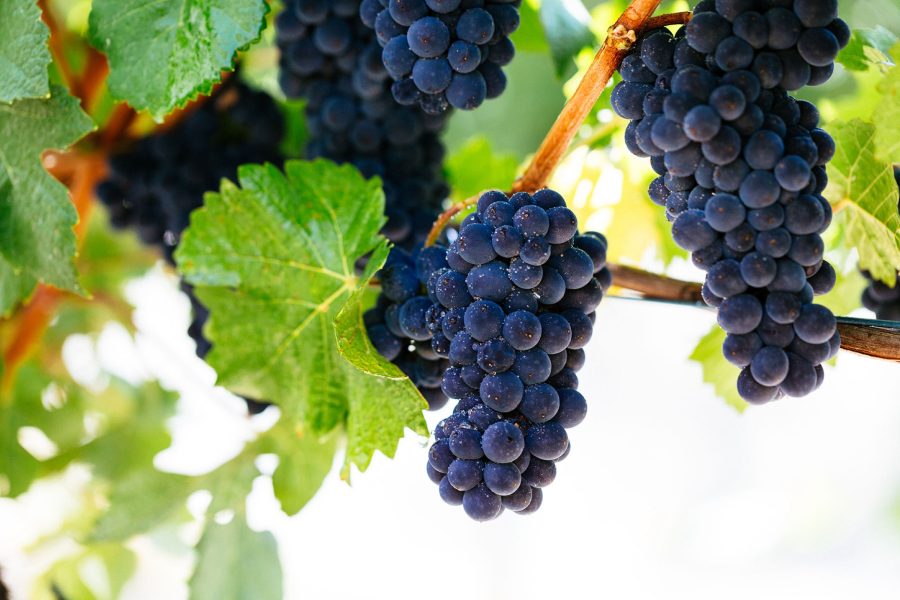
Pinot noir is very food friendly. Wine Australia
Guide to Pinot Noir Feature Week
Pinot noir is one of the most food-friendly reds out there. It doesn’t need a steak to shine. In fact, it’s often at its best with more delicate dishes, where its subtlety and charm really get to play.
As with any food and wine matching, there are no hard rules — it’s about what you like and what you’re trying to bring out in both the wine and the dish. Are we going for harmony, where flavours and textures line up and flow together? Or are we playing with contrast — bright acid cutting through richness, or fruit lifting something earthy? Pinot can do both, and that’s part of the fun.
As with any food and wine matching, there are no hard rules — it’s about what you like and what you’re trying to bring out in both the wine and the dish.I’ll break pinot noir down into three styles. First up, the light and savoury types from places like the Adelaide Hills and Great Southern. Then we’ve got the mid-weight, fruit-forward versions — think Yarra Valley, Mornington and Tasmania. And finally, the richer, fuller-bodied pinots — grand cru Burgundy, California and those with just a bit more oak and/or ripeness, often seen as ‘reserve’ blends.
Lighter styles
These pinots tend to be pale in colour, bright with acidity, and often have a touch of herbal and mushroom characters. They’re more about subtle red fruits, some dried herbs, and a forest floor note.
These wines love subtle food. My first thought is mushrooms — a mushroom risotto, a tart, even a grilled portobello. Roast chicken is a classic too, especially with herbs or a light stuffing. If you’re leaning toward cold dishes, something like rillettes or a jambon persillé terrine is great — the acidity keeps it fresh, and those savoury flavours meet the wine right in the middle.
Mid-weight styles
This is the sweet spot for a lot of people. These have a bit more ripeness, often a bit of oak, and tend to show a mix of red and darker fruits, and sometimes cola or spice. They’ve still got the lift and acidity that makes pinot noir so good with food, but there’s a bit more generosity to them.
Here, I start thinking about pork — roast pork with crackling, pork belly with a plum glaze, or even pork sausages with caramelised onions. Grilled salmon is another great one — the richness of the fish and the silkiness of the wine just work. And don’t be afraid to throw in a little spice or sweetness. Sichuan pepper, hoisin duck, and beetroot-based dishes are all solid options.
Because these wines are that little bit fuller, they can take on more complex dishes without getting lost. The key is still balance — nothing too heavy, nothing that bulldozes the wine.
Richer styles
This last group includes the bigger pinots — from warmer spots, with more oak, or maybe just a few years of age behind them. They’ve got darker fruit, more spice, and a plusher texture.
These wines can handle a bit more weight on the plate. Lamb is a natural fit — grilled, roasted, maybe with a herb crust or red wine jus. Veal works well too, or even richer fish such as trout or salmon with a smoky, buttery glaze. If the wine’s older and showing more savoury, earthy notes, keep the food simple — roast chicken, pan-fried mushrooms, grilled tuna with a little soy and citrus. Let the wine do the talking.
The real joy of pinot noir is that it doesn’t need fancy food to shine. It’s not trying to be the loudest thing in the room — it just wants a good conversation.The takeaway
The real joy of pinot noir is that it doesn’t need fancy food to shine. It’s not trying to be the loudest thing in the room — it just wants a good conversation. Whether you’re going all out with duck à l’orange or just throwing together a mushroom toastie on a Tuesday night, pinot’s got your back.
And because it comes in so many styles, there’s always something new to try. You might not get it perfect every time, but that’s half the fun. When the match clicks, it’s magic.