


Uncoupling malbec from merlot and what to eat with it
 Stephen Wong MW in Food and Wine
 Become a member to view this article
The Real Review is editorially independent. We don’t sell wine. We are free of influence from vested interests such as wine producers and sellers, and proprietors with conflicts. We tell you what we think about reviewed wines, served straight up. Our articles cover topics our writers choose because of genuine interest.
We rely on our members to publish The Real Review. Membership provides access to thousands of articles, a growing database of more than 160,000 wine tasting notes, exclusive member discounts and more.
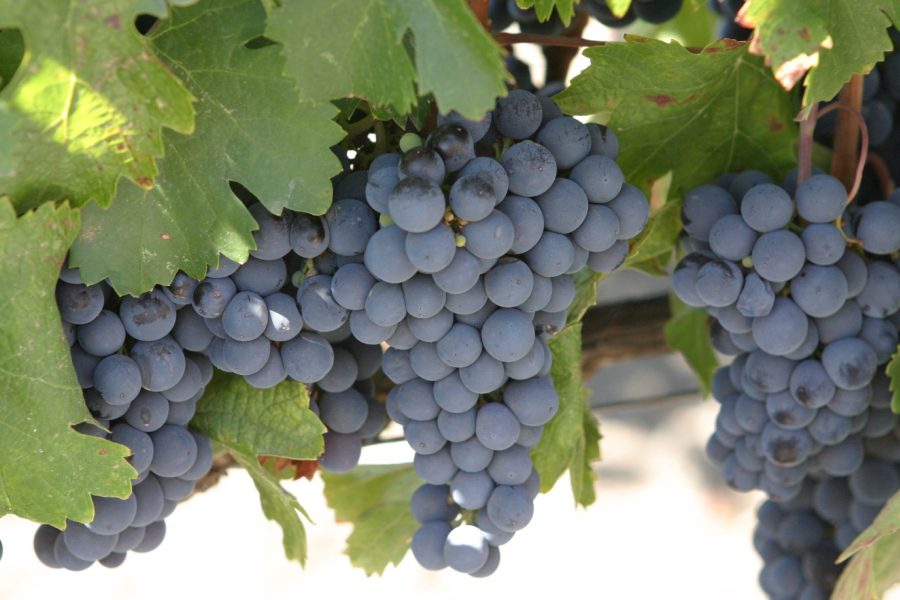
Malbec can be fantastic as a stand-alone varietal wine. Wikimedia Commons

Malbec, originally a Bordeaux red variety, was brought to Argentina in 1868 by Frenchman Michel Pouget, where it has reigned as the most-widely planted grape variety in the country since 2011.
According to Wines of Argentina, in 2023 it occupied more than 47,000 ha of vineyard, or about 25% of the all the vineyard land in Argentina. For reference, New Zealand had 42,519 ha of vineyard in 2024 (according to NZ Winegrowers). Such was its success that it even sparked a renaissance for the variety in its French home, Cahors.
For Argentinians, there is no better match for malbec than grilled red meat.New Zealand’s history with malbec is much more recent, with Stonyridge on Waiheke Island being the first named commercial planting of malbec in 1983.
As is the case with most new grape varieties, Gisborne had rows of it planted, being the region with the vine quarantine facility, and Gordon Russell famously backed this dark horse in the 1990s as head winemaker for Esk Valley. He was so confident of the variety that he planted it on their best vineyard and it became a key part of the blend for their top wine, The Terraces.
It can be said that Gordon paved the way for Hawke’s Bay merlot malbec blends—a style of wine which became increasingly popular and reliable in the 2000s and 2010s. The ‘black grape of Cahors’ brought intense colour, body and black fruit flavours to merlot’s rounder, fatter, more approachable plum and chocolate profile. Merlot is usually the dominant partner, which is unsurprising considering there are 843 ha of it planted in Hawke’s Bay to malbec’s 59 ha (or nationally, 938 ha and 83 ha respectively).
However, as is evident in the highly-regarded wines from Argentina, particularly Mendoza and Patagonia, malbec can be fantastic as a stand-alone varietal wine too. There are, increasingly, examples from Aotearoa which prove this point, such as Fromm Winery, which lays claim to the longest-running single vineyard malbec in the country (it has been made since 2008) and several good wines from Hawke’s Bay. Daniel Brennan of Decibel swears by the variety and his varietal malbec is always a good buy.
For Argentinians, there is no better match for malbec than grilled red meat. Its tannins bind preferentially with the proteins in beef and lamb, helping smooth out its texture. Oak treatment echoes the smokiness of barbecue and the rich flavours of the wine are more than enough to cope with the strong flavours of the meat. The variety also often displays earthy and smoky spice complexity alongside the very dark fruit and violets, a combination which some tasters (myself included) can mistake for felt-tip marking pen! Warm, earthy spices such as cumin, black pepper, and paprika can enhance this complexity.
Semi-hard and hard cheeses, such as Manchego, Ossau-Iraty or aged Cheddar are also interesting matches and some riper, fruitier malbecs can even stand up to crumbly blue cheese. For those eschewing animal proteins, roasted root vegetables, lentil stews, black bean dishes, and mushroom-based recipes can bring the earthiness and flavour richness to match malbec with umami depth.